Driving Safety in Turkey for Foreign Tourists
Driving in Turkey is generally safe for tourists, especially on main highways and in popular destinations like Antalya, Fethiye, Cappadocia, and Istanbul. Roads between major cities are well maintained, fuel stations are frequent, and millions of visitors drive around the country every year without incident.
Find a car by city
Choose a city. On the next step, you will select dates and filters.
Last updated: April 2026
Is driving in Turkey safe for tourists?
Yes, it is generally safe to drive in Turkey as a tourist. Major roads are in good condition, highways are modern, and tourist regions like Antalya, Cappadocia, and the Aegean coast see large numbers of foreign drivers every year.
The main risk is the assertive local driving style, so defensive driving and respecting speed limits are essential.
Road safety in Turkey is good on highways and in major tourist corridors, but you should expect more assertive driving behavior than in much of Western Europe.
What are the main safety considerations?
- City traffic in Istanbul can be intense
- Areas like Antalya and Fethiye feel more relaxed
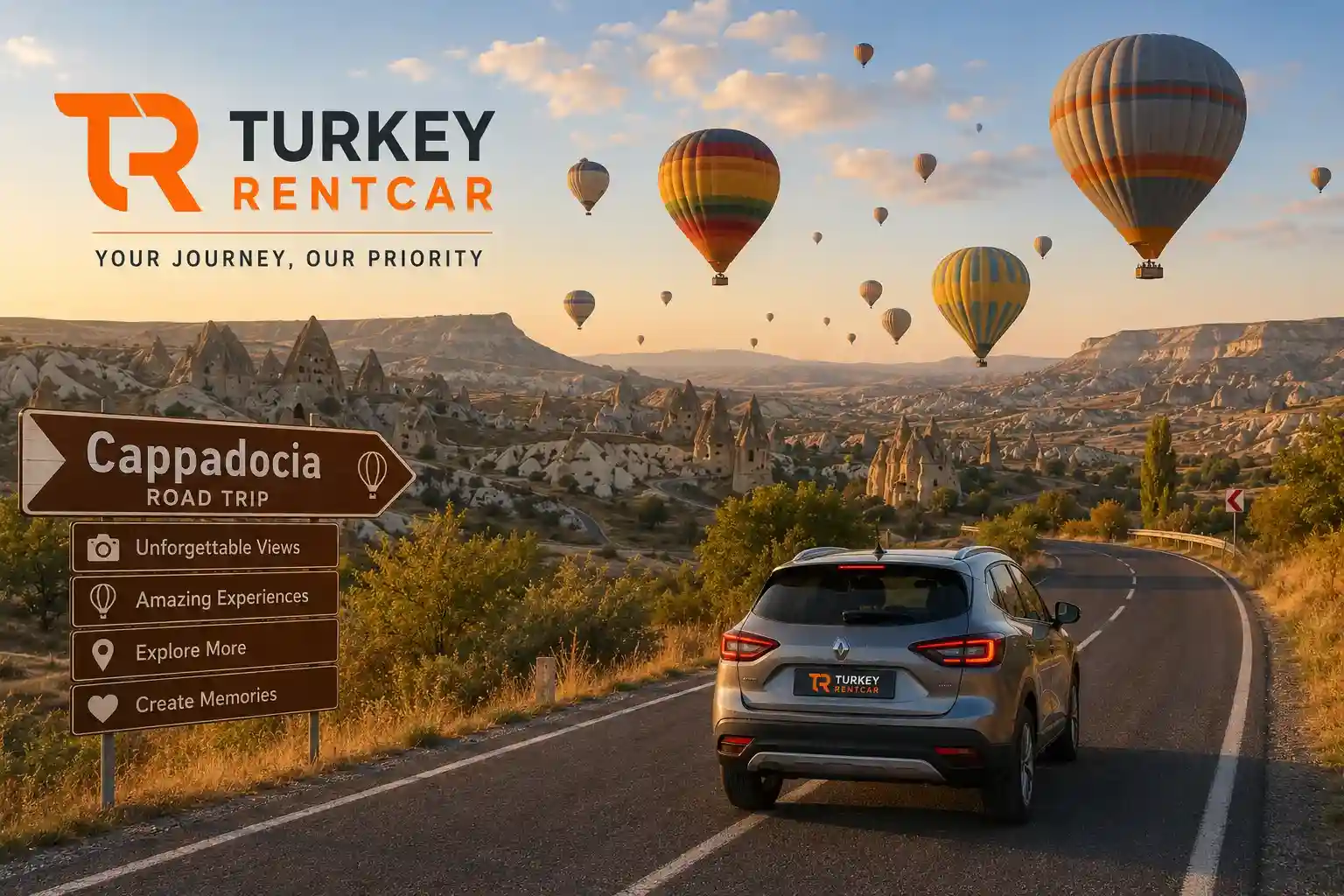
- Cappadocia offers calm driving on well-maintained local roads
- Police and gendarmerie checkpoints are common
You are legally required to carry your passport and driving license at all times.
Quick example: Driving in Antalya vs Istanbul
Antalya: Relaxed coastal driving, wide roads, clear signs. Easy for tourists.
Istanbul: Heavy traffic, complex intersections, aggressive lane changes. Use navigation apps and stay alert.
Tip: Start with easier routes like Antalya-Kaş before attempting Istanbul traffic.
Is It Safe to Drive in Turkey as a Tourist?
Yes, it is generally safe to drive in Turkey as a tourist. Major roads are in good condition, highways are modern, and tourist regions like Antalya, Cappadocia, and the Aegean coast see large numbers of foreign drivers every year. The main risk is the assertive local driving style, so defensive driving and respecting speed limits are essential.
Quick Answer
Road safety in Turkey is good on highways and in major tourist corridors, but you should expect more assertive driving behavior than in much of Western Europe. City traffic in Istanbul can be intense, while areas like Antalya and Fethiye feel more relaxed, and Cappadocia offers calm driving on well‑maintained local roads. Police and gendarmerie checkpoints are common, and you are legally required to carry your passport and driving license at all times.
Contents

Road Safety in Tourist Areas
Most tourists drive in well‑developed regions such as Antalya, Fethiye, Bodrum, Cappadocia, and Istanbul, where road infrastructure supports heavy seasonal tourism. Highways and main regional roads are usually wide, clearly signed, and regularly patrolled by traffic police.
- Antalya and Fethiye — relaxed seaside driving with modern coastal highways
- Cappadocia — calm traffic and well‑maintained local roads between towns and valleys
- Istanbul — heavier traffic, but roads and signage meet big‑city standards
Trip reports from recent years consistently describe road trips around Turkey as safe and comfortable, with only occasional stressful moments in very busy city centers.
Driving at Night
Driving at night in Turkey is generally safe on main highways, but requires extra caution in rural and mountainous areas. Visibility can be reduced, and you may encounter slower vehicles or animals on less‑lit stretches of road.
- Highways between major cities are usually well lit and actively monitored
- Secondary rural roads and some mountain routes may have limited lighting
- Police DUI checkpoints are more common late at night and on weekends
For first‑time visitors, it is sensible to schedule long‑distance driving for daylight and keep night driving to shorter segments near your accommodation.
Police and Traffic Stops
Police and gendarmerie checkpoints are normal on Turkish roads and are not a sign of danger for tourists. Officers typically check driver documents, vehicle registration, and sometimes perform ID checks in line with Turkish law.
- You are legally required to carry a passport and driving license at all times
- Rental contract or vehicle registration may also be requested
- Checkpoints are often routine or focused on speeding and DUI enforcement
At checkpoints, you should slow down, follow instructions, and calmly present your documents. Tourists who comply with checks typically continue their journey within a few minutes.
Mountain Roads and Coastal Routes
Turkey’s scenic mountain and coastal roads, such as parts of the D400 and inland passes, are beautiful but require more attention from drivers. Curves, elevation changes, and occasional lack of guardrails mean you should reduce speed and drive more defensively than on flat highways.
- D400 coastal sections can feature steep bends and strong crosswinds in some areas
- Remote mountain roads sometimes have narrow tunnels or limited barriers
- Conditions become riskier in heavy rain or snow, especially in highland regions
Most tourists never drive the most extreme mountain roads, but even on popular scenic routes it is wise to slow down for bends, avoid overtaking on blind corners, and skip challenging roads in bad weather.
Tips for First-Time Drivers
First‑time drivers in Turkey benefit from a few clear rules: respect speed limits, keep extra distance, and plan routes in advance. Speed cameras, both fixed and average‑speed, are common and fines for violations are often processed automatically via rental companies.
- Follow posted speed limits and do not rely on traffic flow alone
- Use navigation apps, but also pay attention to road signs and local conditions
- Take regular breaks on long drives and avoid driving when tired or jet‑lagged
- Keep your passport, license, and rental agreement accessible for checks
Many travelers report that by the second day of driving, they feel comfortable with local patterns and can fully enjoy routes between coastal towns and inland attractions.
Driving Safety in Turkey at a Glance
| Aspect | Information |
|---|---|
| Road Quality | Good on highways and main tourist routes |
| Driving Style | More assertive than in much of Western Europe |
| Checkpoints | Common, routine ID and traffic checks |
| Night Driving | Safe on highways, extra care in rural and mountain areas |
| Key Rule | Always carry passport and driving license |
Real‑World Experience From Recent Trips
Recent trip reports from travelers who drove around Turkey in 2026 describe feeling safe on the road in both coastal regions and central areas such as Cappadocia. Most concerns focus on occasional aggressive lane changes, busy city traffic, and the need to slow down on twisting coastal or mountain routes.
Many visitors note that police presence and checkpoints contribute to a sense of order on the roads, and that following basic advice — obeying limits, not drinking and driving, and keeping documents handy — makes driving in Turkey feel straightforward.
FAQ
Yes, driving is generally safe for tourists, especially on main highways and in popular regions like Antalya, Fethiye, Cappadocia, and Istanbul, where roads are well maintained and tourism infrastructure is strong.
Night driving on highways is usually fine, but rural and mountainous roads require extra caution due to limited lighting and potential obstacles. It is best to keep longer journeys for daytime when possible.
Police and gendarmerie checkpoints are common on main roads and at city entrances, and they usually perform quick document and safety checks. Tourists who cooperate and carry proper ID typically continue their trip quickly.
Yes, Turkish law requires everyone, including tourists, to carry official photo ID, which means you should keep your passport and driving license with you when driving.
Most commonly used scenic routes are safe if you drive carefully and reduce speed on curves, but some remote roads without guardrails or with narrow tunnels are better avoided in poor weather or at night.
Rent a Car and Drive Safely in Turkey
Choose a well‑maintained rental car and follow local safety rules to explore Antalya, Fethiye, Cappadocia, Istanbul, and other regions at your own pace.
View Rental Cars in Turkey